Business-purpose & commercial financing
Commercial Financingfor California Owners & Investors
A starting point for business-purpose commercial financing across property types — including retail and shopping centers — with dedicated guidance for apartment and gas station properties, and the full range of options on our Services page.
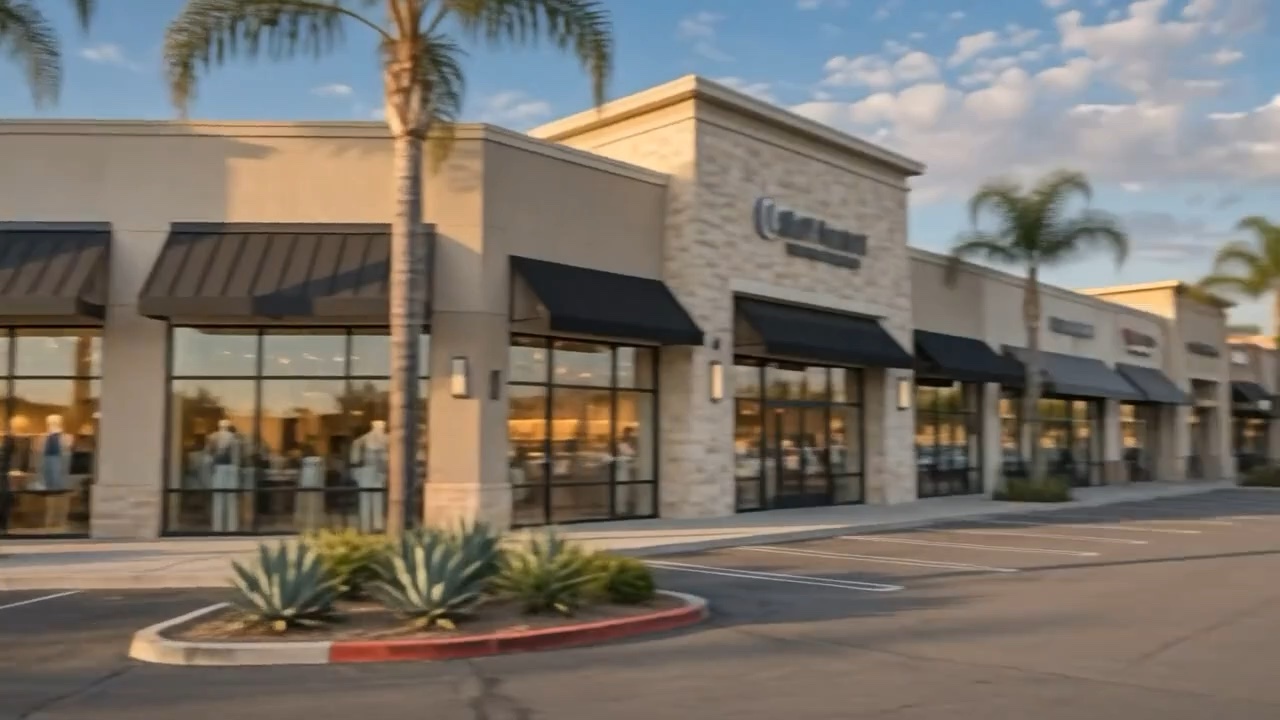
One conversation, the right path for your property
"Commercial financing" covers a wide range of situations — an owner-user purchasing a building for their own business, an investor acquiring an income-producing property, or a business owner seeking financing tied to real estate they already hold. Mortgage Bankers Corporation, founded in 1985 by Shahram Sean Elyaszadeh, has spent four decades helping California clients work through which structure actually fits their transaction before time is spent pursuing the wrong one.
This page is intended as a starting hub. If your situation involves a specific property type we cover in more depth, we'll point you to the more specific page below — the goal is to get you useful, property-specific information quickly rather than a generic overview.
Find the financing page for your property
Apartment Building Financing
Multifamily acquisition and refinance — rent roll, NOI/DSCR, reserves, sponsor experience.
Gas Station Financing
Fuel/convenience real estate and business, environmental diligence, tank status.
Owner-User & Investment CRE
General commercial real estate for owner-users and eligible investors, including retail and shopping-center properties.
Industrial & Warehouse
Production, storage, logistics, and distribution properties.
SBA & Business Financing
Business-purpose lending and SBA program options.
What commercial lenders typically evaluate
While specifics vary widely by property type, most commercial underwriting weighs a common set of factors: property income and occupancy where applicable, business cash flow for operating-business transactions, borrower or sponsor experience, equity or down payment, reserves, and the strength and completeness of documentation. No single factor determines eligibility, and every transaction is reviewed individually.
For income-producing retail and shopping-center properties specifically, that commonly extends to tenant mix, anchor-tenant strength, lease structure and upcoming rollover, and the resulting Net Operating Income (NOI) and Debt Service Coverage Ratio (DSCR) from trailing operating statements.
Documentation & preparation
- Property financials, rent roll, or lease information, where applicable
- Business tax returns and financial statements, for operating-business transactions
- Entity formation documents, if held in an LLC, corporation, or partnership
- Borrower financial statements, tax returns, and identification
- A brief summary of the transaction goal — acquisition, refinance, or business-purpose need
Process & timeline expectations
A typical path includes an initial consultation to identify the right financing lane, document collection, submission to an appropriate lender, third-party reports as needed, underwriting, and closing. No specific timeline, rate, or closing date is guaranteed — timing and final terms are set by the funding lender once underwriting is complete.
Working with Mortgage Bankers Corporation
Mortgage Bankers Corporation was founded in 1985 by Shahram Sean Elyaszadeh and has served California clients from its Los Angeles office for over four decades. The firm holds California DRE corporate license #01375131. Program availability and individual licensing information vary by transaction; NMLS/MLO status for specific individuals is verified separately and is not represented here beyond what is publicly confirmed.
Commercial financing FAQs
What counts as commercial financing?
Commercial financing broadly covers business-purpose real estate and lending needs — office, retail, industrial, mixed-use, and specialty properties, plus business-purpose loans tied to an operating company.
How is commercial financing different from residential financing?
Commercial transactions are typically underwritten around property income, business cash flow, and borrower/sponsor experience rather than solely personal income and credit, and often involve entity ownership structures.
Does Mortgage Bankers Corporation have dedicated pages for specific property types?
Apartment building and gas station financing each have their own dedicated page with property-specific guidance. Retail properties and shopping centers are evaluated here, as part of our broader commercial financing conversation, in addition to the categories on our Services page.
Does tenant mix matter for retail and shopping-center financing?
Yes, in most cases. Lenders commonly consider anchor tenant strength, lease rollover risk, tenant industry concentration, and overall occupancy stability as part of underwriting a retail property.
What documentation is typically requested?
Common documentation includes property financials or rent roll where applicable, business tax returns and financial statements, entity formation documents, and standard borrower financial and identification documents.
Does a consultation guarantee financing approval or terms?
No. A consultation is a general discussion of your property, business, and financing goal. It is not an application, approval, rate quote, or commitment to lend.